

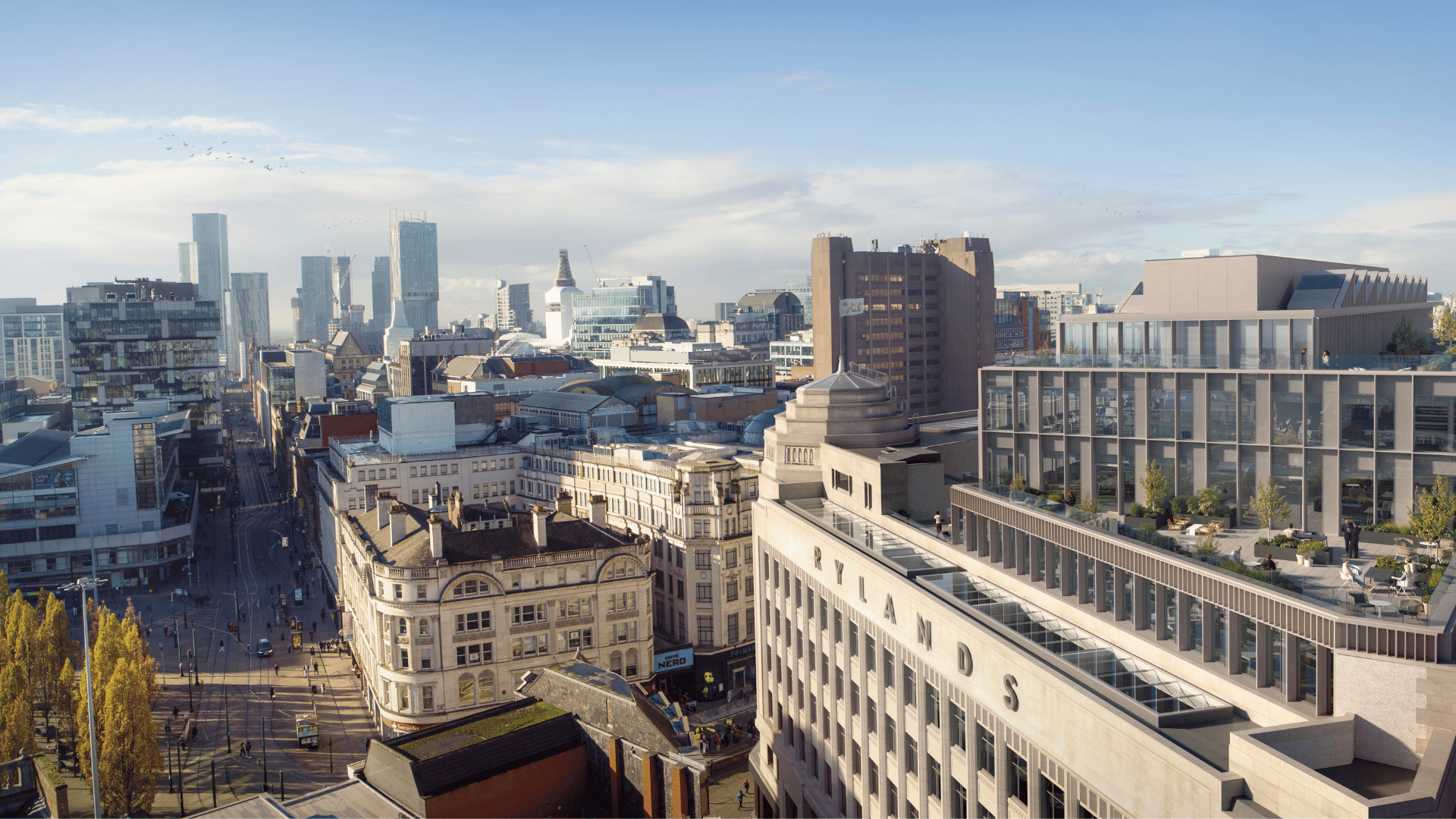
Manchester’s office market is moving into a more considered phase, where demand remains present but is increasingly directed towards a narrower segment of higher quality space.
Across the UK, there is a growing imbalance between supply and demand when it comes to Grade A offices, particularly in well-connected regional cities. At the same time, occupiers are taking a more deliberate approach to real estate decisions, with greater scrutiny placed on how space supports productivity, staff experience and long-term business positioning.
Within this context, availability at Rylands reflects a wider shift in how office space is being evaluated.
A constrained supply of large, high-quality workspace
At Rylands, up to a total office NIA of 305,157 sq ft across 10 floors of Grade A office space is available in central Manchester, providing a rare opportunity for occupiers seeking scale alongside specification.
Large, contiguous floorplates of this nature have become less common in the city centre, particularly within buildings that also offer a strong identity and established location. As a result, businesses with growth ambitions are often faced with a limited pool of options that meet both operational and cultural requirements.
This has led to a market where availability exists, but genuine choice at the top end remains constrained.
The evolving role of the workplace
The function of the office has shifted in recent years, moving away from a purely functional environment towards something more aligned with brand, culture and collaboration.
While hybrid working has reduced the need for daily attendance, it has also increased expectations around the quality of space provided. Employers are now more focused on creating environments that encourage engagement, support wellbeing and offer a clear reason for teams to come together in person.
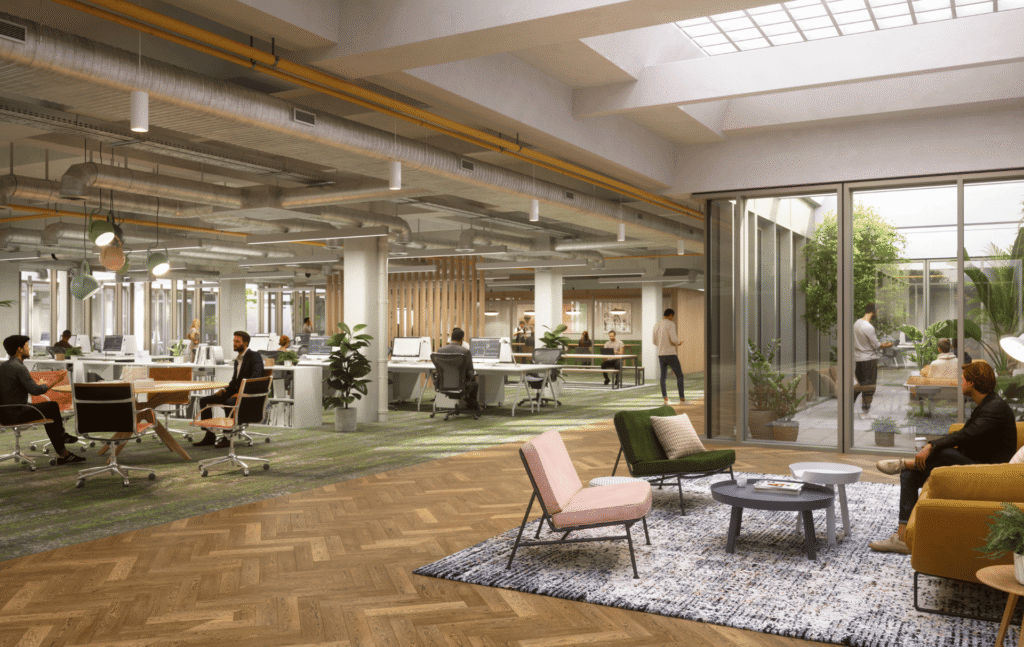
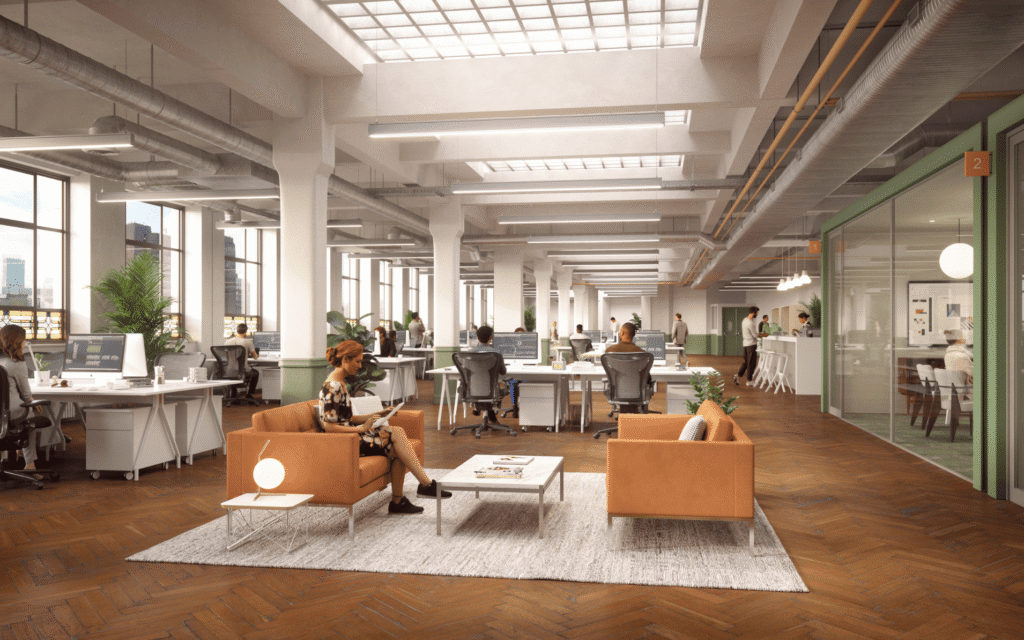
At Rylands, this is reflected in the design approach, with features such as floor-to-ceiling glazing, a central atrium and access to roof terraces contributing to a workspace that feels open, connected and considered.
Location as a continued priority
Despite changes in working patterns, location remains a central factor in decision making, particularly for businesses that rely on connectivity and access to top talent.
Rylands sits within close proximity to Spinningfields and benefits from strong transport links, including access to the Metrolink network and key city centre routes. This positioning allows occupiers to remain embedded within one of Manchester’s most active commercial districts, while also ensuring ease of access for both employees and clients.
In a market where convenience and connectivity continue to carry weight, these fundamentals remain difficult to overlook.
Character and quality in combination
One of the more notable shifts in occupier preference has been a growing interest in buildings that offer a sense of identity alongside modern performance.
Rylands combines a restored Art Deco façade with a comprehensive internal refurbishment, bringing together heritage and contemporary workspace in a way that is increasingly sought after. For many businesses, this balance provides both a distinctive setting and the practical benefits expected of Grade A accommodation.
As more developments enter the market, this combination of character and specification is becoming an important point of differentiation.
A more selective market landscape
Manchester’s office market is not defined by a lack of activity but rather by a more selective form of demand.
Well-located, high-quality space continues to perform strongly, while lower specification stock is seeing a different level of interest. This divergence is shaping a market where quality, rather than quantity, plays a more decisive role in leasing decisions.
Rylands sits within the segment of the market where these trends are most evident, offering space that aligns with current occupier expectations while remaining limited in overall availability.
For businesses assessing their next move, the focus is increasingly on securing space that meets both immediate needs and longer-term objectives, rather than simply fulfilling a short-term requirement.